
Die MLS-Saison 2026: Eine Saison wie keine andere
Von Samantha Baier
Dieses Wochenende ist nicht nur ein weiterer Saisonstart für die Major League Soccer.
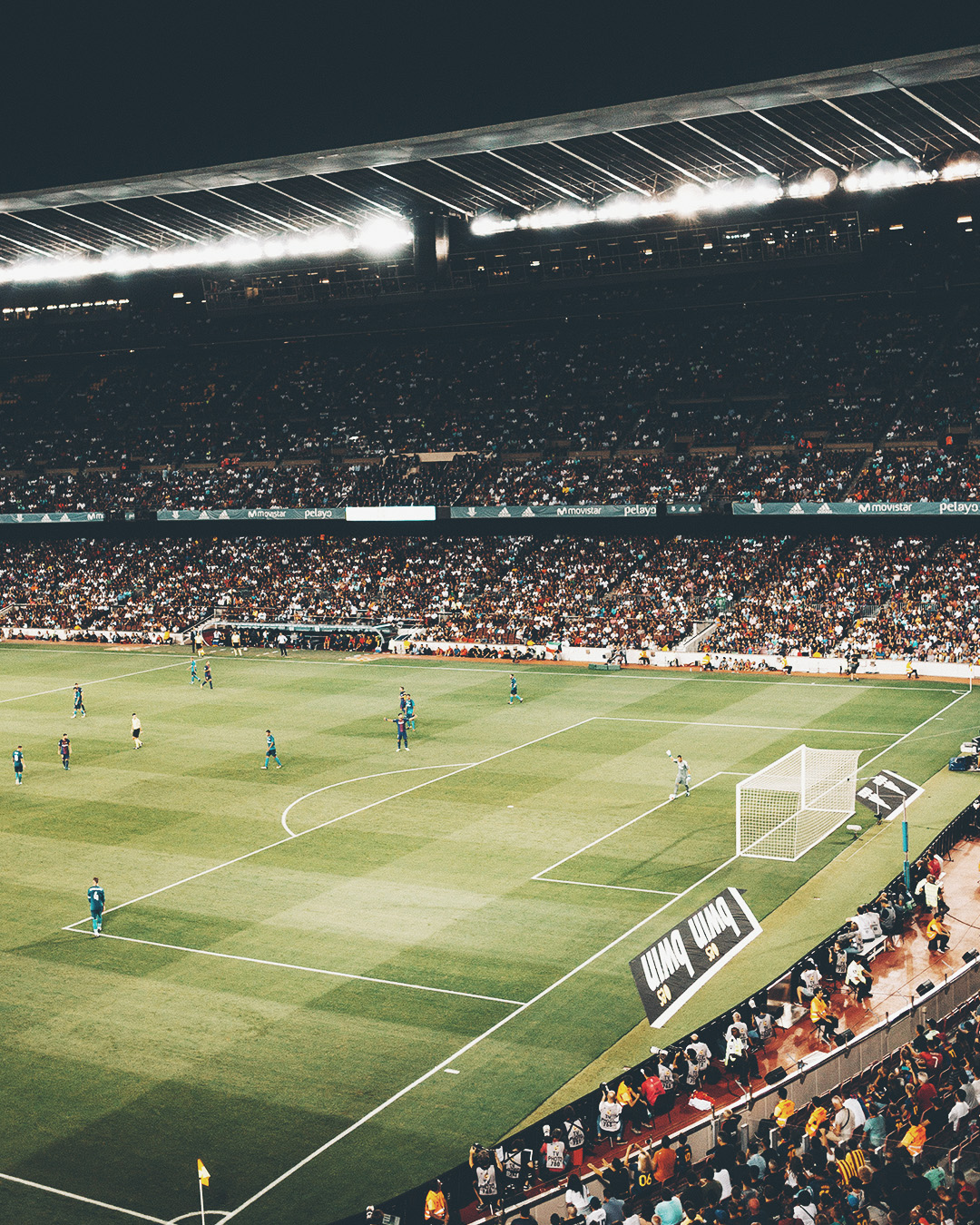
Die MLS-Saison 2026 beginnt kurz vor der FIFA-Weltmeisterschaft 2026, dem größten Sportereignis der Welt, das hier in Nordamerika ausgetragen wird. Dadurch wird die übliche 37-wöchige Saison zu einem entscheidenden Moment, in dem Marken dazu beitragen können, den Fußball einem neuen Publikum näherzubringen und gleichzeitig die Bindung zu den Fans zu vertiefen, die von Anfang an dabei waren.
Was Marketingfachleute wissen müssen: Wie man die drei Kernzielgruppen des Fußballs für sich gewinnt
Die Weltmeisterschaft begeistert nicht nur bestehende Fußballfans. Sie schafft auch neue. Alle vier Jahre zählen Millionen von Gelegenheitsfans zum ersten Mal dazu und schalten ein, um ihr Land zu unterstützen – angezogen vom Hype und der Begeisterung.
Damit wird das Jahr 2026 zu einem entscheidenden Meilenstein für den Fußballsport. Der Fußball rückt in den Mittelpunkt der amerikanischen Kultur, wo sowohl begeisterte Fans als auch Gelegenheitszuschauer und sogar Nicht-Fans ihm ihre Aufmerksamkeit schenken.
Und der größte Fehler, den Marken begehen können, ist, all diese Fußballkonsumenten als eine einzige Gruppe zu betrachten. Um Wirkung zu erzielen, ist eine Zielgruppenanalyse erforderlich, bei der drei unterschiedliche Segmente berücksichtigt werden müssen, auf die sich Marken einstellen müssen:
1. Die MLS-Fans
Dies sind Ihre wichtigsten MLS-Anhänger: Saisonkarteninhaber, treue Vereinsanhänger und kulturell versierte Fans, die von Anfang an dabei waren. Ihnen ist der Aufbau ihrer lokalen Vereine wichtiger als einmalige Spielerverpflichtungen, was sich in einem deutlich überdurchschnittlichen Interesse an den Mannschaften im Vergleich zur Liga oder den Spielern selbst zeigt (EPIC).
Sie legen Wert auf:
- Authentizität
- Geschichten von Spielern und Vereinen
- Umfassende Integrationen, die das Spiel respektieren und das Fanerlebnis bereichern
Sie belohnen Marken, die konsequent präsent sind, nicht opportunistisch.
2. Die internationalen Unbeugsamen
Diese Fans lieben Fußball bereits, nur nicht unbedingt die MLS.
Sie verfolgen mit einer um 19 % höheren Wahrscheinlichkeit mehrere europäische und internationale Ligen (EPIC), beobachten Starspieler über Vereins- und Ligagrenzen hinweg und betrachten die MLS oft als einen Rückschritt im Vergleich zum internationalen Fußball. Die Weltmeisterschaft fesselt sie emotional, doch ihre Ansprüche sind hoch.
Ihnen liegt Folgendes am Herzen:
- Spielqualität und Glaubwürdigkeit
- Star-Power und internationale Handlungsstränge
- Authentische Fankultur und historische Bedeutung
Für Marketingfachleute stellt diese Gruppe eine wichtige Zielgruppe dar. Um diese Fußballpuristen zu erreichen, sind Inhalte und Maßnahmen erforderlich, die sich auf Folgendes konzentrieren:
- Verbindungen zu WM-Spielern
- Highlights der Top-Talente
- Erlebnisse schaffen, die die internationale Fußballkultur würdigen und feiern
3. Neue Teilnehmer
Das ist die Zielgruppe für Wachstum:
- Sportfans im Allgemeinen
- Patriotische Zuschauer, die ihrem Land zujubeln
- Gelegenheitszuschauer, die vom WM-Hype angezogen wurden
-Marken können hier einspringen und Folgendes bieten:
- Einfacher, reibungsloser Zugang zu Spielen, Mannschaften und Spielern, insbesondere auf nicht-traditionellen Fußballplattformen, auf denen sich diese Zielgruppen ohnehin bereits aufhalten
- Kulturelle Schnittstellen mit Influencern aus den Bereichen Sport, Lifestyle und Unterhaltung
- Möglichkeiten für lokale Kontakte und Bildung, die zugänglich sind und nicht einschüchternd wirken
Marken, die sich nur an eingefleischte Fans richten, verpassen die Chance auf eine breite Reichweite. Marken, die nur Gelegenheitsnutzer ansprechen, verpassen die Chance auf Glaubwürdigkeit. Marken, die internationale Hardcore-Fans ignorieren, verpassen die Chance auf Einfluss.
: Was steht auf dem Spiel und was ist möglich?
Im Jahr 2026 ist Fußball nicht einfach nur eine Sportart unter vielen. Er ist vielmehr wie die Olympischen Sommerspiele – ein kulturelles Ereignis, das Sommerunterhaltung, Nationalstolz, gemeinsames Fernsehen mit der Familie und gemeinschaftliches Beisammensein miteinander verbindet.
Aber dies ist kein einmaliger Höhepunkt, der nur alle vier Jahre auftritt. Es ist ein Sprungbrett für eine 30 Jahre alte Liga, die bereits einen deutlichen Aufschwung erlebt, und erfolgreiche Marken wissen, dass es wichtiger ist, Teil des Wachstums des Fußballs zu sein, als nur Werbung rund um diesen Sport zu schalten.
Wir haben dies aus erster Hand bei unseren Liga-Partnern beobachtet, deren MLS-Integrationen über die reine Platzierung von Logos hinausgehen und auf vielfältige Weise einen Mehrwert für das Fanerlebnis schaffen – von Erlebnissen im Stadion bis hin zu digitalem Storytelling, das die Fans näher an die Vereine und Spieler heranführt, die sie lieben. Diese Bemühungen haben nicht nur den Bekanntheitsgrad gesteigert, sondern auch dazu beigetragen, eine tiefere emotionale Bindung und ein stärkeres Vertrauen in die Marke bei den besonders engagierten Fans aufzubauen.
– das ist der Wandel, den Marketingfachleute im Jahr 2026 vollziehen müssen.
Die Chance liegt nicht in passiver Medienpräsenz. Es geht darum, Partnerschaften aufzubauen, die auf gegenseitiger Verbundenheit beruhen und in denen Marken an Bedeutung gewinnen, indem sie das Fanerlebnis selbst bereichern.
Marken, die sich authentisch präsentieren und ihre Designs sowohl auf begeisterte Fans als auch auf Neulinge ausrichten, werden nicht nur vom „Halo-Effekt“ der Weltmeisterschaft profitieren. Sie werden die Aufmerksamkeit in Loyalität umwandeln und dazu beitragen, die nächste Ära des Fußballs in Nordamerika mitzugestalten.