

المسوقون يسيئون تفسير الألعاب الأولمبية
بقلم جيم كاروسو
يحب المسوقون فكرة «هالة الألعاب الأولمبية». لكنهم في الوقت نفسه يقللون من شأنها بشكل متكرر. فلا تزال العديد من العلامات التجارية تنظر إلى الألعاب الأولمبية على أنها حملة قصيرة الأمد، شيء يتألق لبضعة أسابيع ثم يختفي من ذاكرة المستهلكين. وتغفل هذه النظرة عن كيفية عمل النظام البيئي للألعاب الأولمبية في الواقع — وعن حجم الفرص المتاحة في الأشهر والسنوات التي تفصل بين دورات الألعاب.
قامت شركة «إليفيت» مؤخرًا بتحليل جمهور الألعاب الأولمبية باستخدام EPIC Elevate Performance and Insights Cloud) لفهم طبيعة هذا الجمهور وكيفية تفاعله مع الألعاب الأولمبية والرياضات المؤدية إليها. وتشير النتائج إلى جمهور يتمتع بقدرة مالية كبيرة، وأنماط اهتمام مستمرة على مدار العام، وتوافق قوي مع العلامات التجارية التي تعمل من أجل تحقيق أهداف محددة. وبالنسبة للشركات التي تخطط لاستراتيجيتها الخاصة بأولمبياد لوس أنجلوس 2028 وما بعدها، فإن الرسالة واضحة: الألعاب الأولمبية ليست مجرد حدث عابر، بل هي سوق.
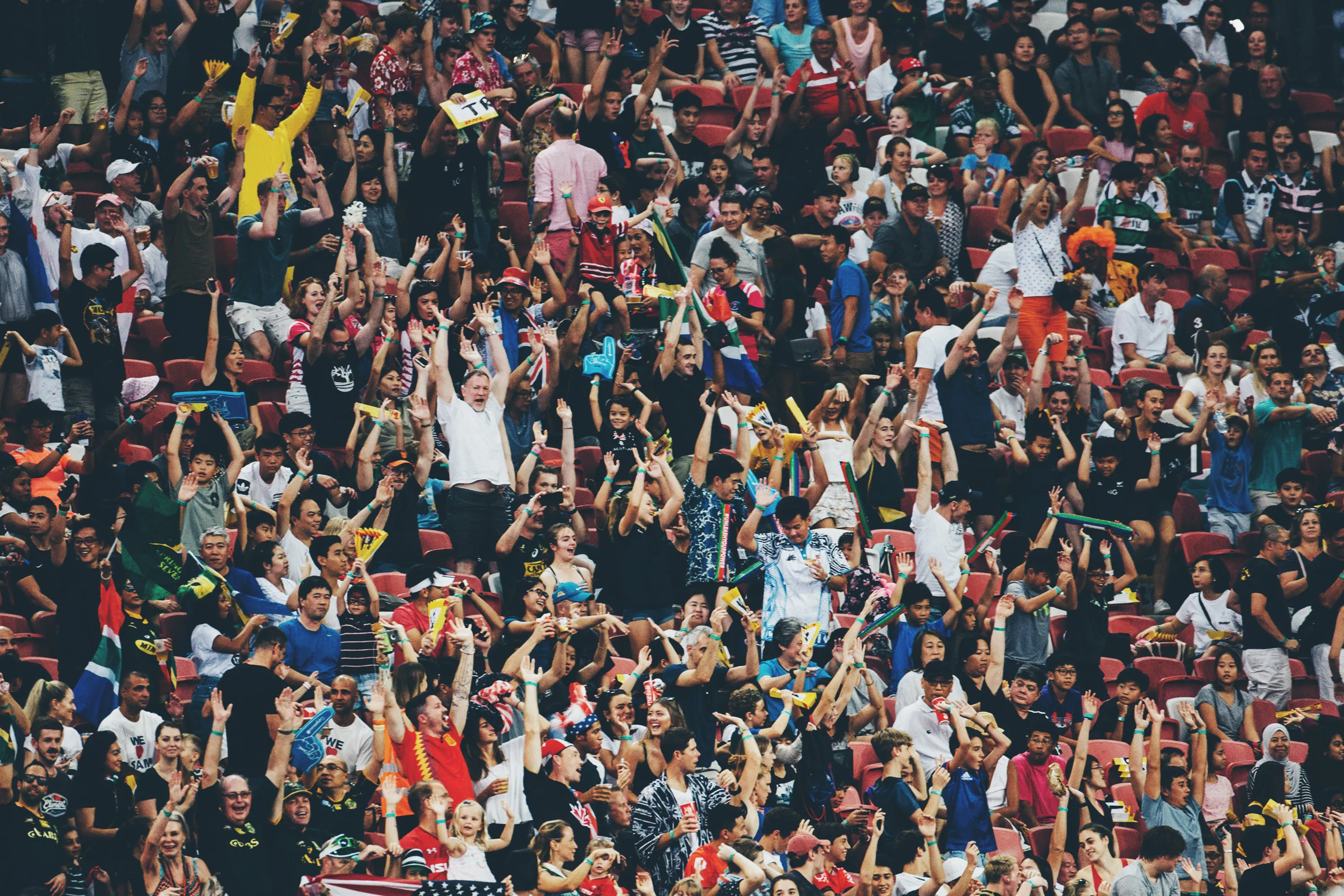
من هم مشجعو الألعاب الأولمبية
وفقًا لتحليلنا EPIC ينتمي معظم مشجعي الألعاب الأولمبية إلى جيل X (36٪)، وتبلغ نسبة النساء بينهم نسبة أعلى قليلاً (51٪)، مما يضعهم في صميم فئة صانعي القرار في الأسرة الذين يتمتعون بنفوذ كبير في اتخاذ قرارات الشراء.
إذا كان المسوقون يرغبون في الوصول إلى مستهلكين يتمتعون بقوة شرائية حقيقية، فإن هذه القاعدة الجماهيرية توفر لهم ذلك. فاحتمال أن يكون لدى مشجعي الألعاب الأولمبية درجة ائتمان تبلغ 800 أو أعلى يزيد بنسبة 22٪، كما أن واحداً من كل 10 منهم يمتلك صافي ثروة أسرية تزيد عن 500,000 دولار. وهم أكثر عرضة لامتلاك أسهم وحسابات استثمارية، كما أنهم يعملون بنشاط على تنمية ثرواتهم. كما يظهرون بشكل أكثر تكرارًا بين أصحاب الدخل المرتفع، حيث تزيد نسبة تمثيلهم بأكثر من 50% مقارنة بمشجعي الرياضات الأخرى.
بالمقارنة مع عامة الناس، ينفق مشجعو الألعاب الأولمبية مبالغ أكبر في عدة مجالات متعلقة بنمط الحياة، بما في ذلك اللياقة البدنية والعافية، والملابس، وأزياء النساء، وتناول الطعام. كما أنهم أكثر ميلاً لشراء منتجات الفرق والرياضيين، واعتماد التكنولوجيا الحديثة في وقت مبكر، وحضور الأحداث الرياضية الحية، مما يوسع نطاق قيمة الرعاية لتشمل فرص الضيافة والتجارب التفاعلية.
هذا المزيج من الإنفاق على أنماط الحياة والاستقرار المالي يجعل هذه الفئة من الجمهور جذابة بشكل خاص للشركاء في قطاعات التجزئة والسفر والخدمات المالية والتكنولوجيا وصحة المستهلك. وهذه هي الشريحة الاستهلاكية التي تتنافس عليها العلامات التجارية. فهم ينفقون في مختلف الفئات، ويبحثون عن تجارب متميزة، ويدعمون المؤسسات التي تقدم قيمة على المدى الطويل.
كيف يختار مشجعو الألعاب الأولمبية العلامات التجارية (وكيف يتفاعلون معها)
القيم ليست سوى جانب واحد من الجوانب. فما لا يقل أهمية عن ذلك هو مدى تكرار حضور هؤلاء المشجعين قبل وقت طويل من إشعال الشعلة. فهؤلاء المشجعون يبحثون عن العلامات التجارية التي تُظهر التزامًا حقيقيًّا، لا مجرد ظهور ظاهري. وفقًا لبحث أجرته مؤسسة Harris Poll واستشهد به تحليل Elevate للأولمبياد، يقول ما يقرب من ثلثي مشجعي الألعاب الأولمبية إنهم يضعون توافق القيم في مقدمة أولوياتهم عند تقييم الرعايات، ويذكر أكثر من ثلثهم أن الحملات المرتبطة بقضايا اجتماعية هي ما تحفزهم. ينجذبون إلى الرياضيين والمنظمات التي تظهر الانضباط والمشاركة المجتمعية والالتزام طويل الأمد. عندما تنشط العلامات التجارية بهدف حقيقي، يصبح الارتباط العاطفي أقوى وأكثر ديمومة.
وبنفس القدر من الأهمية، فإن هذه العلاقة تتجاوز مجرد التفضيل. فهي تصبح علاقة شخصية. يقول ما يقرب من نصف مشجعي الألعاب الأولمبية إن الرياضة تمنحهم شعوراً قوياً بالانتماء للمجتمع، ويقول أكثر من 60% منهم إن الألعاب الأولمبية تزيد من فخرهم ببلدهم عندما يصبح التشجيع جزءاً من الطريقة التي ينظر بها الناس إلى أنفسهم. كما أن العلامات التجارية التي تظهر باستمرار تصبح جزءاً من تلك الهوية أيضاً، مما يعمق الارتباط العاطفي والولاء بمرور الوقت.
الألعاب هي الذروة وليست مجرد مرحلة
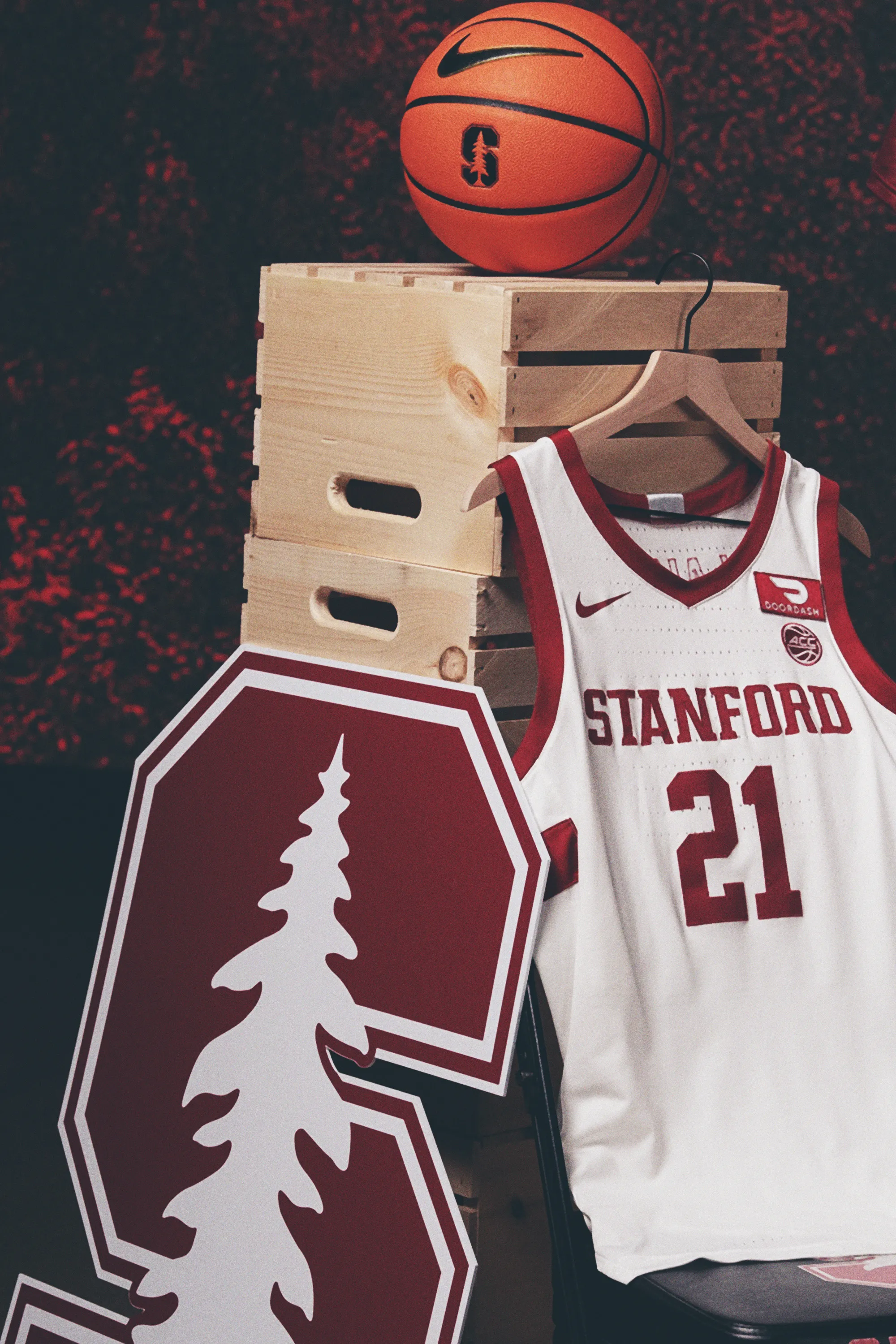
إن الاعتقاد بأن شغف الألعاب الأولمبية يتصاعد كل أربع سنوات ثم يتلاشى هو اعتقاد عفا عليه الزمن. فمشجعو الألعاب الأولمبية لا يحضرون فقط لحضور حفل الافتتاح؛ بل يتابعون الرياضات المؤهلة للألعاب طوال العام. فهم يشاهدون بفعالية البرامج الخاصة بكرة السلة للفتيات في المدارس الثانوية، وبرامج الاستوديو الخاصة بكرة السلة النسائية التابعة للرابطة الوطنية لرياضة الجامعات (NCAA)، ويتابعون الرياضات الأخرى المؤهلة للأولمبياد مثل الكرة الطائرة وألعاب القوى والسباحة والتنس — وذلك قبل وقت طويل من تسليط الأضواء على الألعاب الأولمبية.
يعكس هذا النمط اهتماماً مستمراً على مدار العام بالرياضيين والرياضات التي تشكل في نهاية المطاف جوهر المسرح الأولمبي. فالمباريات التمهيدية والتصفيات والفعاليات التي تنظمها الاتحادات الرياضية، بالإضافة إلى القصص الرقمية والبرامج المجتمعية، تحافظ على استمرارية هذه الحركة لفترة طويلة بعد انتهاء حفل الختام. أما العلامات التجارية التي لا تنشط إلا خلال فترة الألعاب، فهي تختار المشاركة في جزء ضئيل من هذه الفرصة.
الفرصة الحقيقية للمسوقين
مع اقتراب دورة ميلانو 2026 وبدء التخطيط لدورة لوس أنجلوس 2028، ستكون العلامات التجارية الناجحة هي تلك التي تنظر إلى الألعاب الأولمبية باعتبارها منظومة متكاملة تمتد لعدة سنوات. فمناطق التفاعل التجاري آخذة في التوسع. وتُحدث الفعاليات التي تُقام على مدار العام، والمنصات الرقمية، والأنشطة الشعبية، وقصص الرياضيين تفاعلاً مستمراً بين الدورات الأولمبية، وليس فقط أثناء انعقادها.
أفاد موقع يوتيوب أنه خلال دورة الألعاب الأولمبية في باريس 2024 وحدها، شاهد المستخدمون أكثر من أربعين مليار دقيقة من المحتوى الأولمبي، مما يؤكد مدى قوة هذا الحدث في ذروته — ولكنه يوضح أيضًا حجم الزخم الذي يمكن للعلامات التجارية أن تبنيه قبله وبعده.
الرسالة واضحة. تكمن القيمة في البقاء على تواصل مع الحركة ككل، وليس مع اللحظة العابرة فحسب. فالعلامات التجارية التي تجمع بين التواجد المستمر والهدف الهادف هي التي ستحقق أكبر العوائد. أما تلك التي لا تزال تخطط لتحقيق ارتفاع مؤقت في الاهتمام، فهي تتنافس على نتائج محدودة، في حين أن فرصة أكبر تنتظرها في متناول اليد.
إن العصر الجديد للتسويق الرياضي لا يقتصر على كونه عالمياً فحسب. بل إنه يمتد على مدار العام، ويستند إلى أهداف محددة، ويشكله المشجعون الذين يتوقعون المزيد من العلامات التجارية التي تطلب منهم تكريس وقتهم. والمسوقون الذين يدركون هذه الحقيقة الآن هم الذين سيقودون الحوار عندما تصل الشعلة إلى لوس أنجلوس.
جيم كاروسو هو رئيس قسم الابتكار في شركة «إليفيت».
الموعد النهائي للاستفادة من السعر المخفض لتقديم ترشيحات جوائز أفضل أماكن العمل للمبتكرين هو يوم الجمعة 23 يناير، الساعة 11:59 مساءً بتوقيت المحيط الهادئ. تقدم بطلبك اليوم.