
Dentro del nuevo centro de experiencias del estadio del Chicago Fire FC, valorado en 6 millones de dólares
Por Ian Nicholas Quillen
Tras esperar más de tres décadas para conseguir una sede permanente en el centro de la ciudad, el Chicago Fire FC no escatima esfuerzos para despertar el entusiasmo de los aficionados ante el traslado.
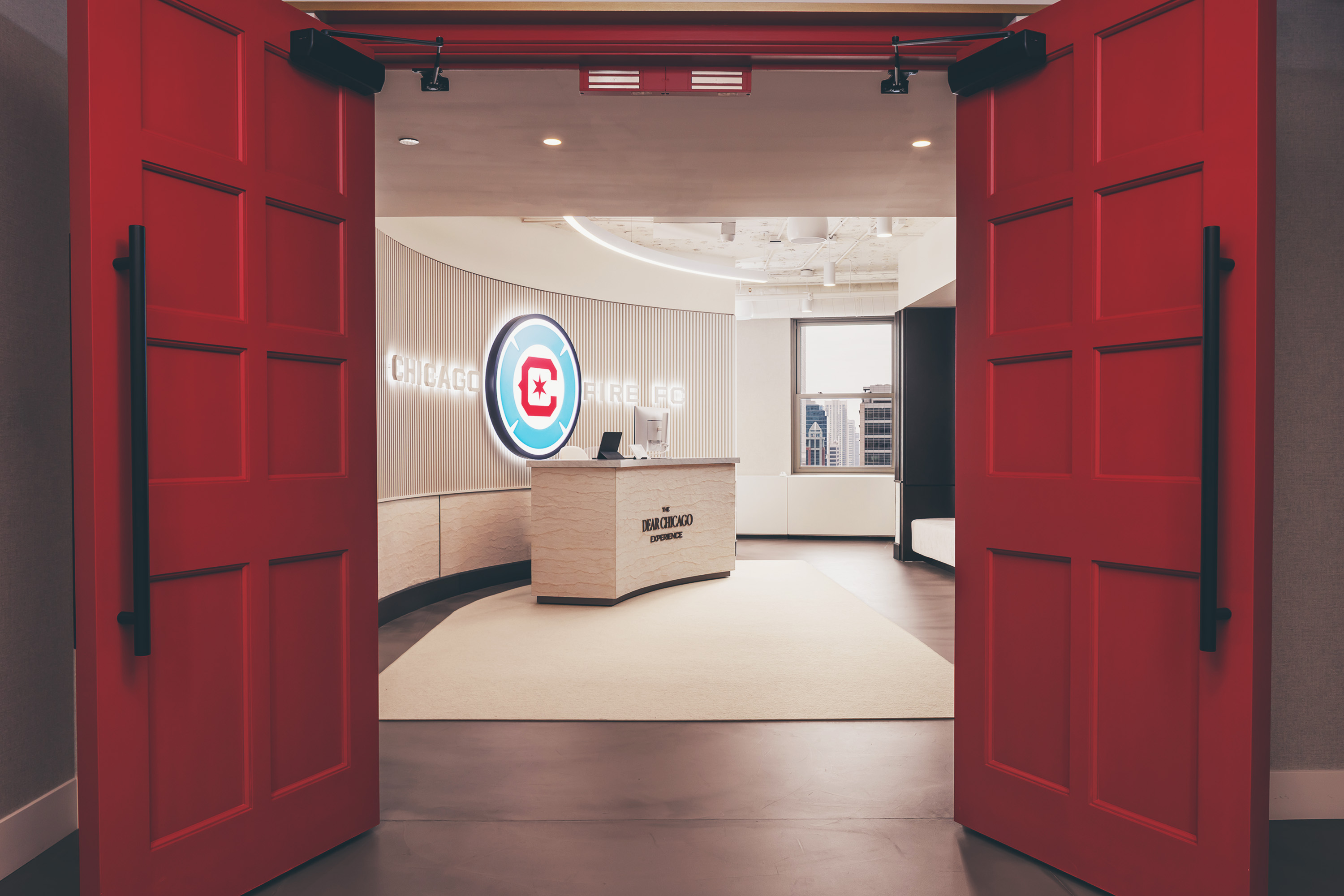
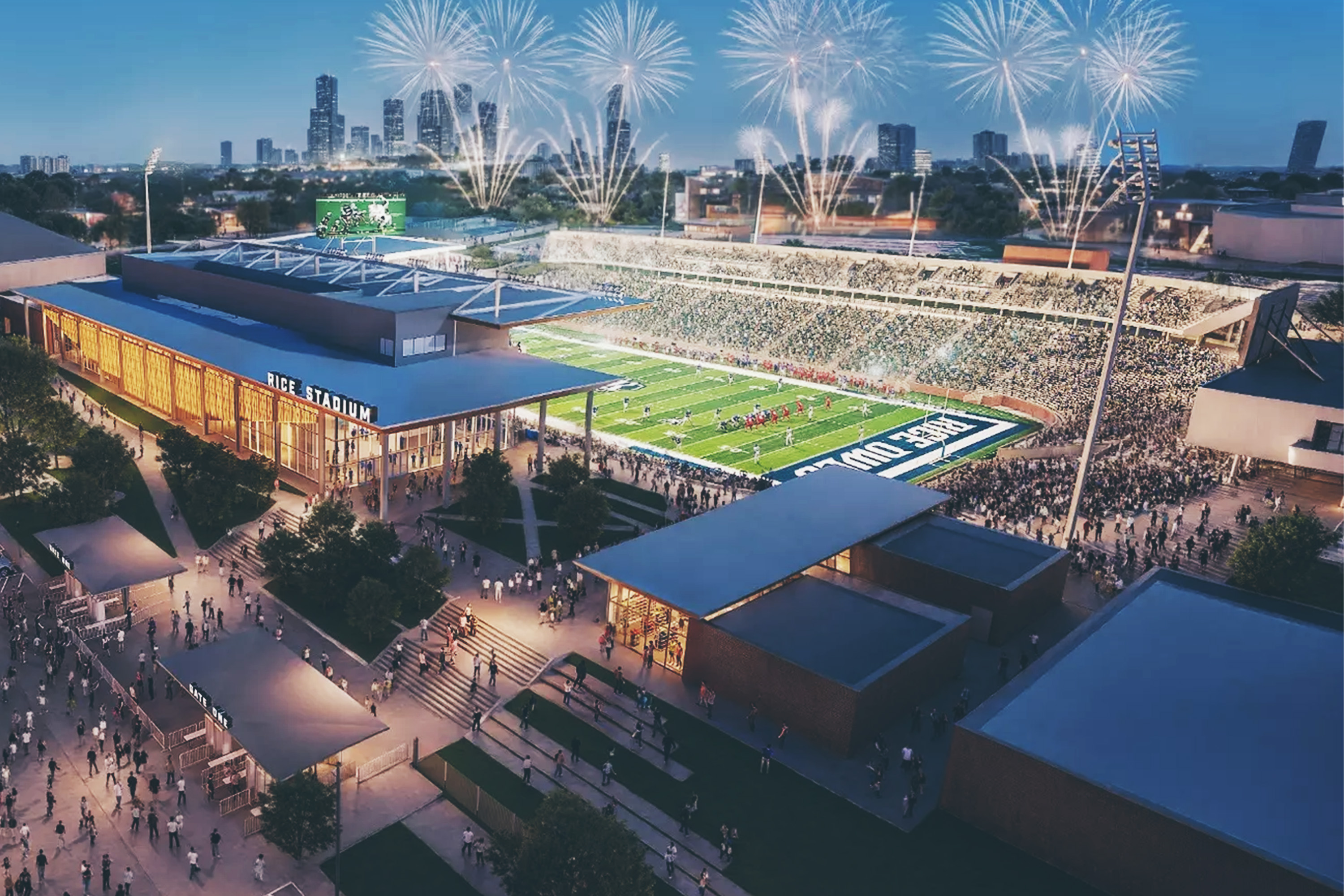
El Fire anunció el jueves por la tarde la apertura de su centro de experiencias inmersivas «Dear Chicago Experience Center» en el emblemático edificio Wrigley de la Ciudad del Viento, un espacio diseñado para ofrecer a los aficionados un anticipo sensorial de la experiencia de los días de partido enel futuro estadio del club, que contará con 22 000 localidades.
El proyecto le ha costado al club unos 6 millones de dólares —una cifra que se ha visto incrementada por la elección de un terreno de primera categoría en el centro de la ciudad— e incluye 836 metros cuadrados de exposiciones que estarán abiertas primero a los actuales titulares de entradas premium del club, después a los abonados de la temporada actual y, por último, al público en general.
«Necesitábamos ofrecer a la gente la oportunidad de comprender plenamente cómo será la nueva experiencia de los días de partido», afirmó Dave Baldwin, presidente de operaciones comerciales del Fire. «Durante las últimas tres décadas, el Fire ha sido un inquilino y no hemos podido hacer nuestra la experiencia. […] Por eso, parte de esto ha consistido en tomar las riendas de cómo va a ser un día de partido».
Sí, sin duda es un argumento de venta muy sofisticado, dirigido ante todo a ese tipo de personas que podrían convertirse en futuros propietarios de palcos o abonados de la zona VIP.
Pero también es un proyecto narrativo que intenta conectar con una afición que ha pasado por muchos momentos difíciles —tanto en comparación con otros clubes de la MLS como con otras franquicias deportivas más populares de Chicago— y que quizá tenga dificultades para imaginar hasta qué punto podrían mejorar las cosas en un futuro próximo.
La visión de Mansueto
El nombre «Dear Chicago» hace referencia ala carta abierta que el propietario del club, Joe Mansueto, escribióen junio. En ella, anunciaba su intención de llevar a cabo un proyecto de 750 millones de dólares, financiado con fondos privados, que constituiría el eje central de una remodelación más amplia de una parcela de 62 acresconocida popularmente como «The 78».
El centro de experiencias tiene como objetivo plasmar las motivaciones que Mansueto —natural de Chicago y fundador deMorningstar, Inc.— mencionó en esa carta.
«Está pagando (el estadio) al contado, algo inaudito en los tiempos que corren, y lo hace con un propósito muy noble y significativo», afirmó Drew Bryant, director creativo de Elevate, la empresa contratada por el Fire para dirigir el proceso de diseño del centro de experiencias.
«Le estábamos entrevistando y nos contó que había puesto en marcha su negocio desde su habitación. Nos habló de lo mucho que la ciudad le había ayudado en su trayectoria y de que no cree que fuera la persona que es hoy ni que hubiera tenido tanto éxito si no hubiera habido gente en la ciudad que le hubiera echado una mano a lo largo del camino».
«Y así fue como se le presentó la oportunidad de devolver lo que había recibido. Es algo muy significativo y profundo, y la intención que hay detrás es llevar el fútbol de primer nivel a una ciudad de primer nivel».
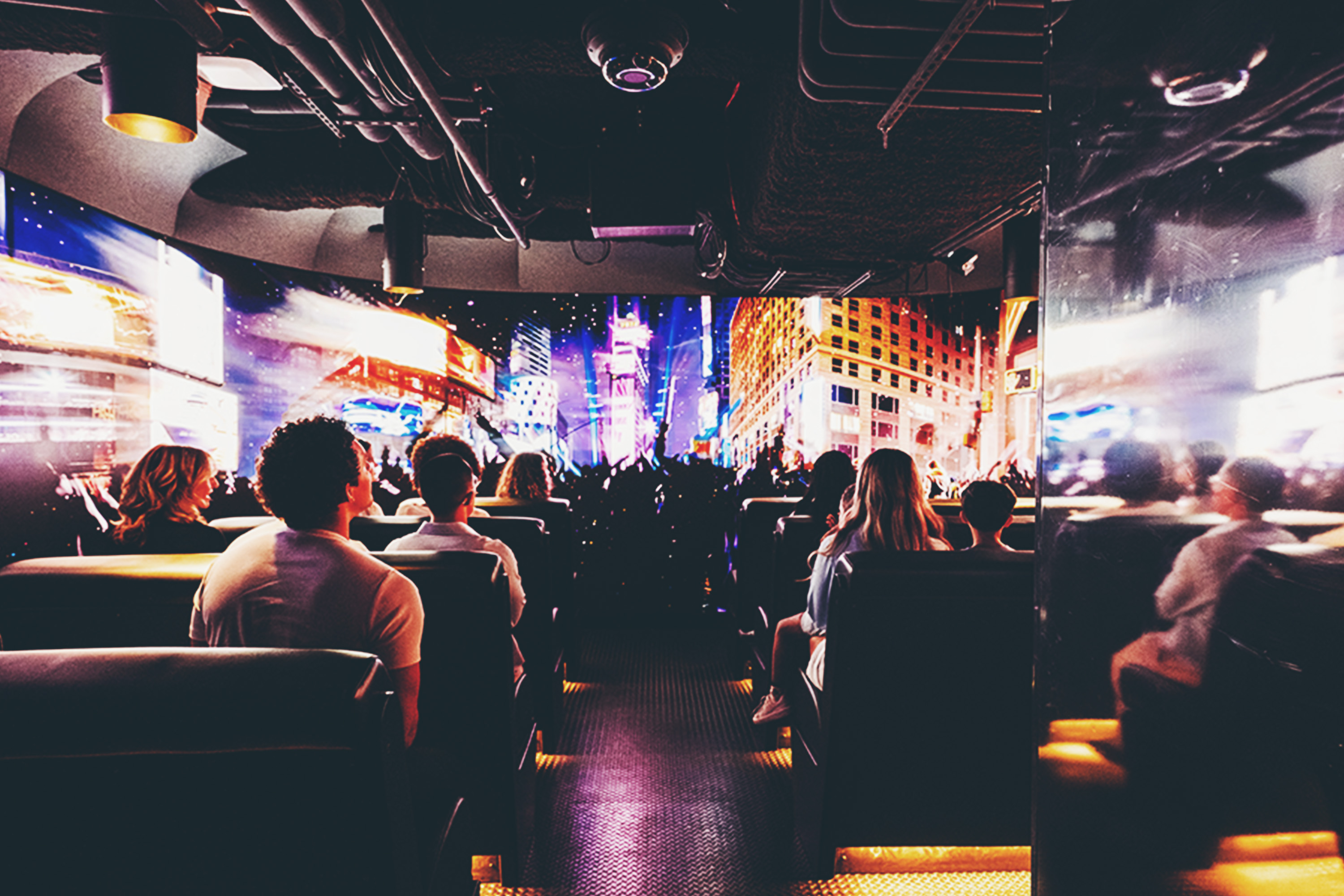
Los visitantes encontrarán una sala de proyecciones que ofrece una presentación, al estilo de una sala de cine, del diseño del estadio, las experiencias que ofrecen los asientos de categoría superior y el ambiente durante los partidos, una réplica a escala real de un palco de lujo del estadio, y dos maquetas diferentes: una muestra una versión completa de «The 78», incluido el estadio; la otra es una maqueta a mayor escala del propio estadio.
También hay una zona de bar con capacidad para unos 100 comensales, que el club seguirá utilizando para eventos más pequeños una vez que se haya completado el traslado al nuevo estadio.
: De vuelta a la relevancia
El Fire no es, ni mucho menos, el primer equipo de la MLS que intenta coger impulso antes de un cambio.
Cuando el club inaugure su nuevo estadio,se convertirá en el vigésimo cuarto equipo en activoen estrenar un recinto permanente del que sea el principal usuario, después de que el Inter Miami inaugure su estadio de 25 000 localidades a finales de este año y New York City FC el Etihad Park en 2027. Y este ni siquiera es el primer estadio construido específicamente para el fútbol en la historia del club. Para poner fin a una primera década algo nómada, el Fire se trasladó al SeatGeek Stadium (entonces Toyota Park) en el suburbio de Bridgeview, Illinois, en 2006.
. Sin embargo, pocas instalaciones nuevas han supuesto una oportunidad tan enorme para recuperar la relevancia a nivel local y nacional, algo a lo que Mansueto se ha dedicado desde que es propietario del club.
Una de sus primeras medidas tras adquirir el club en 2019 fue garantizar el regreso al Soldier Field —una ubicación mucho más accesible para gran parte de la afición del club—, a pesar de que ello suponía un gasto mucho mayor desde el punto de vista operativo.
Mansueto también barajó la posibilidad de cambiar la imagen del club y, lo que es aún más digno de elogio, dio marcha atrás después de que los aficionados dejaran claro su apego a los primeros años de la historia del Chicago Fire, en particular a la MLS Cup de 1998, el Supporters’ Shield de 2003 y las cuatro U.S. Open Cups.
Su disposición a seguir adelante con el nuevo estadio sin financiación pública ha contribuido sin duda a acelerar el proceso. Y su deseo de aumentar el coste del centro de experiencias ubicándolo en un lugar de Chicago fácilmente reconocible es toda una declaración de intenciones.
«La inversión que este propietario y presidente está realizando solo en el centro de experiencias está a la altura de la NFL», afirmó Bryant. «Es la misma cantidad de dinero, tiene el mismo tamaño... Cada paso que dan tiene como objetivo consolidar la marca en la ciudad».
: ¿un lugar para todos?
Si hay escepticismo, puede que se deba a la preocupación de que las nuevas instalaciones, con servicios de lujo considerablemente ampliados, puedan quedar fuera del alcance de los socios más fieles que han permanecido en el club durante sus primeros 30 años.
El estadio contará con 50 palcos privados, 500 asientos en tribuna y 3.500 asientos en la zona VIP, lo que supone casi una cuarta parte del aforo total. Esta temporada, tras poner fin a una sequía de siete años sin clasificarse para los playoffs y gracias a la notable mejora lograda bajo la dirección del entrenador Gregg Berhalter, en su primer año al frente del equipo, la asistencia media del Fire superó los 23.000 espectadores, una cifra superior a la capacidad prevista del nuevo estadio.
A pesar de ello, Baldwin insiste en que el Fire seguirá siendo accesible para el aficionado medio en su nuevo estadio, y señala que el éxito en la venta de entradas de categoría superior podría, de hecho, facilitar aún más esta tarea.
«Siempre tenemos algunas de las entradas más baratas de la MLS, a pesar de contar con una de las plantillas mejor pagadas bajo la dirección de Joe Mansueto», afirmó Baldwin. «Una de las ventajas de tener una concentración tan elevada de localidades premium —aproximadamente el 23 % del estadio serán premium— es que nos permite compensar los precios en el resto del recinto».