إغلاق بعض علامات التبويب على الإنترنت: تقنيات تيسير الوصول، وجولات القوارب، و«سيوف البيرة»
بقلم بريت ماكورميك
دعونا نغلق بعض علامات تبويب متصفح الإنترنت التي يُشار إليها في المثل — وهو ما يسميه مديري، آبي مادكور، «إفراغ دفتر الملاحظات».
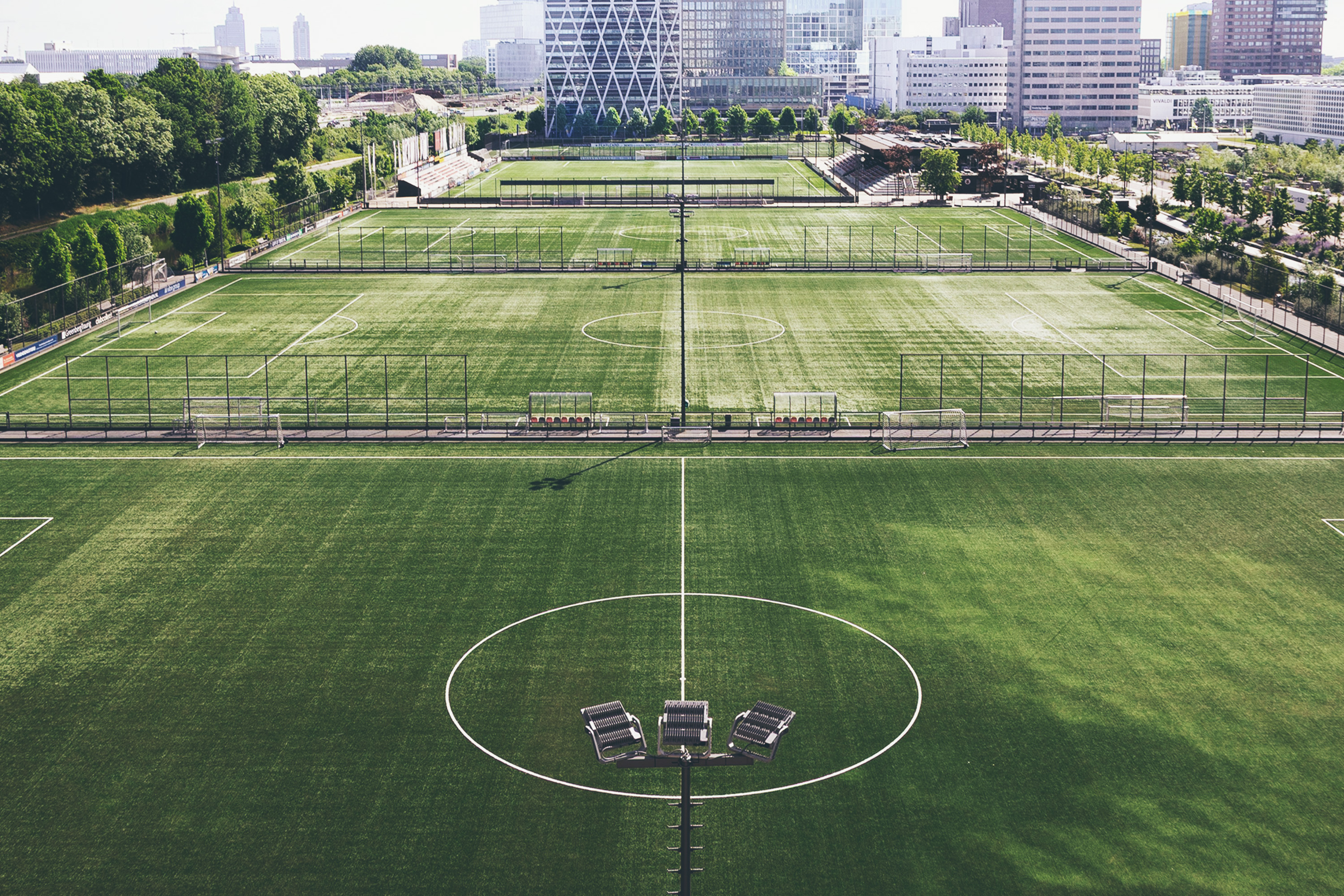
RightHear، الآن في ملعب «سبورتس إيلوستريتد»
قد يلاحظ المشجعون ذوو البصر الثاقب الذين يزورون ملعب «سبورتس إيلوستريتد» وجود رسومات باللونين الأزرق والأبيض تشبه الجزيئات في أنحاء الملعب، لا سيما بجوار لافتات الإرشاد.
إنها علامات «RightHear»، وهي جزء أساسي من نظام توجيهي يهدف إلى مساعدة ذوي الإعاقات البصرية أو غير الناطقين باللغة الإنجليزية على التنقل داخل ملعب «ريد بول نيويورك». تحتوي كل علامة على جهاز إرشادي يتصل بتطبيق «RightHear» المثبت على هواتف المستخدمين عبر البلوتوث؛ ثم يقوم التطبيق بقراءة اللافتات بصوت عالٍ ويقدم للمستخدم إرشادات أخرى لتحديد الموقع المكاني.
يتمثل هدف RightHear في تحسين لافتات لغة برايل. ورغم أن النسبة المئوية للمكفوفين الذين لا يستطيعون قراءة لغة برايل هي موضوع خلاف وتتفاوت، إلا أن أياً من هذه النسب لا يضاهي معدلات الإلمام بالقراءة والكتابة لدى الأشخاص المبصرين. وكما قال إيدان مئير، المؤسس المشارك والرئيس التنفيذي لشركة RightHear، قد يكون هناك شعور بأن لافتات لغة برايل تُوضع أحيانًا في الأماكن العامة، بموجب قانون الأمريكيين ذوي الإعاقة، لمجرد «تلبية متطلبات الشكل». فهي ليست موجودة في الواقع لمساعدة الشخص على التنقل والمشاركة». وعلى أي حال، كيف يُفترض أن يجد الشخص الكفيف لافتة لغة برايل؟
يوضح مئير أن «RightHear» هي أداة توجيهية وليست أداة تنقل؛ فهي تساعد المستخدم على معرفة ما يحيط به، تمامًا كما تفعل اللافتات بالنسبة للأشخاص المبصرين. لا تتحدث اللافتات فعليًّا، ولكنها، من خلال جهاز الإرشاد اللاسلكي، تحث التطبيق (المتاح للتنزيل مجانًا) على التحدث إلى مستخدمه. ولا يتطلب الأمر اتصالاً بالإنترنت.
كان مشاهدة فيديو دراسة حالة تصف فيه شانيل ماتوس، المشجعة لفريق «ريد بولز»، استخدامها لتطبيق «رايت هير» للتنقل داخل الملعب أمرًا مؤثرًا، ويرجع ذلك جزئيًّا إلى أنها وصفت روائح الطعام، وهو أمر لم تكن لتختبره أبدًا أثناء الاستماع إلى المباراة من المنزل.
أمضى مئير ثلاث سنوات في تطوير علامات «RightHear». وهي من الناحية النظرية تشبه رموز QR، على الرغم من أن هذه العلامات غير مرتبطة بعنوان URL على الإنترنت، ويمكن للتطبيق التقاطها من جميع الزوايا، بما في ذلك الزاوية الجانبية بشكل شبه مباشر (على عكس رموز QR). ويمكن لمشغلي الأماكن إدارة معلومات علامات «RightHear» من خلال بوابة إلكترونية.
كما يمكن لـ«RightHear» أن تفيد المتحدثين بلغات مختلفة، من خلال ترجمة اللافتات وإرشادات التوجيه إلى لغاتهم الأم. وتضم حالياً معلومات عن العلامات بـ36 لغة.
يتم استخدام نظام «رايت هير» في أكثر من 2,500 موقع حول العالم، بما في ذلك الحدائق العامة والمكتبات والمباني الحكومية والمتاحف. لكن ملعب «سبورتس إيلوستريتد» يمثل خطوة كبيرة للشركة نحو دخول مجال الملاعب الرياضية الحية، وما توفره هذه الملاعب من فرصة أكبر لتسليط الضوء على هذه التقنيات.
قال مئير: «نحن في عام 2027. يمكننا أن نفعل المزيد، وبشكل أفضل بكثير من اللافتات المكتوبة بطريقة برايل الموجودة لدينا حالياً».
الوصول عن طريق البحر
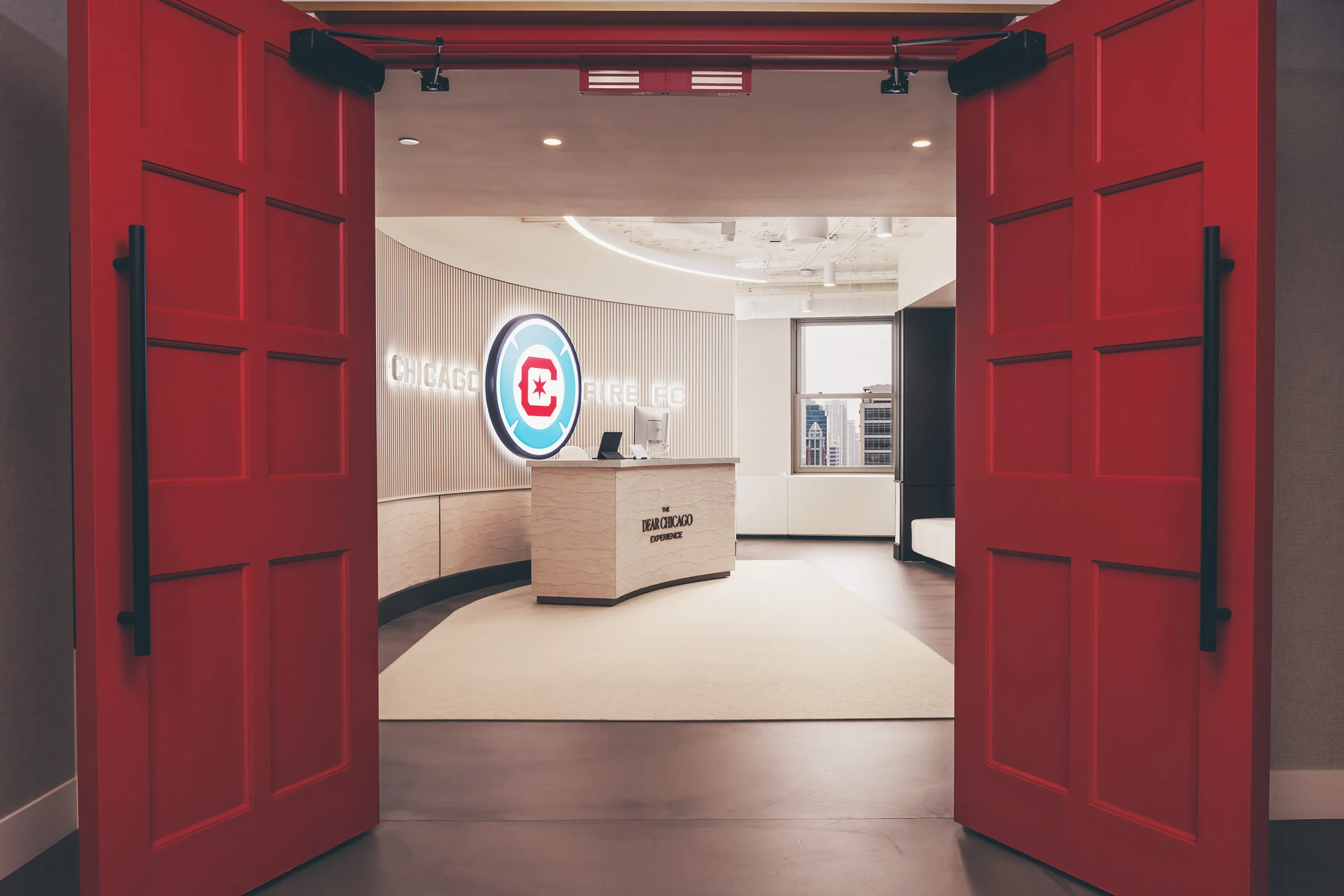
يتم دمج المسطحات المائية القريبة في تجربة يوم المباراة في عدد قليل من الملاعب — مثل «كي سي كارنت»، و«رود آيلاند إف سي»، و«شيكاغو فاير»، وربما «نيو إنجلاند ريفولوشن» — فما أفضل من مدينة فينيسيا لتعلم كيفية القيام بذلك؟
وهنا ساعدت شركة «إليفيت» نادي «فينيسيا» الذي يلعب في دوري الدرجة الأولى الإيطالي (السيري أ) في تصميم تجربة رحلة بحرية فاخرة تنقل المشجعين إلى ملعب النادي الواقع على جزيرة. ويُعد هذا مثالًا رائعًا على ما وصفه درو براينت، المدير الإبداعي لشركة «إليفيت»، بـ«الضيافة التي تتجاوز حدود الجدران الأربعة»، ونموذجًا يُمكن أن تحذو حذوه الملاعب القريبة من الأنهار أو البحيرات أو المحيطات.
قال لي براينت: «الجميع يحاول التفكير في طرق لإطالة أمد الحوار، وإثراء التجربة، وجعلها أكثر عمقًا». «كيف تجعل التجربة أكثر عمقًا من مجرد الوصول على متن قارب؟ فكر في احتفال ما بعد المباراة، وكيف يكون تأثيره أعمق بكثير عندما تنظر إلى المدينة وتستمتع بوقتك مع الأصدقاء. يا لها من لحظة!»
هل يمكن لشركة «أبر كرست» أن تدخل مجال الرياضة الجامعية؟
كتبتُ في شهر أغسطس عن الجهود التي تبذلها إدارة الرياضة في ولاية ميسوري لزيادة إيراداتها، بما في ذلك التغيير في شركة إدارة المطاعم والمرافق إلى «Sodexo Live» وشركة محلية تُدعى «Upper Crust Food Service». وكان انضمام «Upper Crust» أمراً مثيراً للاهتمام لأن رئيسها التنفيذي، آدم غاي، وُلد في كولومبيا بولاية ميسوري، وهو من أشد مشجعي فريق «التايجرز» وحامل تذكرة موسمية حالي.
لكن «أبر كراست» ليست مجرد شركة محلية صغيرة. فقد كانت الشركة تقدم خدماتها في السابق إلى النوادي الطلابية — فقد كان زميلي في المكتب بمقر «إس بي جي»، أليكس سيلفرمان، يتناول وجبات «أبر كراست» في ناديه الطلابي في ميسوري — لكنها نمت لتصبح شركة وطنية لخدمات الطعام، تضم 2,500 موظف في أكثر من 600 موقع و44 ولاية.
سألت غاي عما إذا كانت فعالية «ميزو» قد تشير إلى دخول «أبر كرست» عالم الرياضة الجامعية على الصعيد الوطني، وليس فقط في ولاية «شو مي».
قال غاي: «جميع شركات خدمات الطعام الكبيرة التي تعمل بنظام العقود والتي تتبع هذا النهج تؤدي عملها بشكل ممتاز. والشراكة مع Upper Crust توفر ربما وجهة نظر أخرى في مجال الضيافة يمكن لهذه الشركات الكبيرة الاستفادة منها». «إن وجود شريك أصغر حجماً وأكثر تخصصاً، قادر على التركيز على التفاصيل الدقيقة، مثل الأنشطة المحلية والعلاقات داخل الحرم الجامعي وقسم الرياضة، يجعل هذه الشركات أكثر تكاملاً. وإذا تمكنا من إتقان هذا الجانب، فسيجعلنا ذلك شريكاً رائعاً لهذه الشركات الكبرى».
إذن… نعم.
ما هي المنتجات الجديدة الأخرى التي يمكن تعبئتها بالبيرة؟
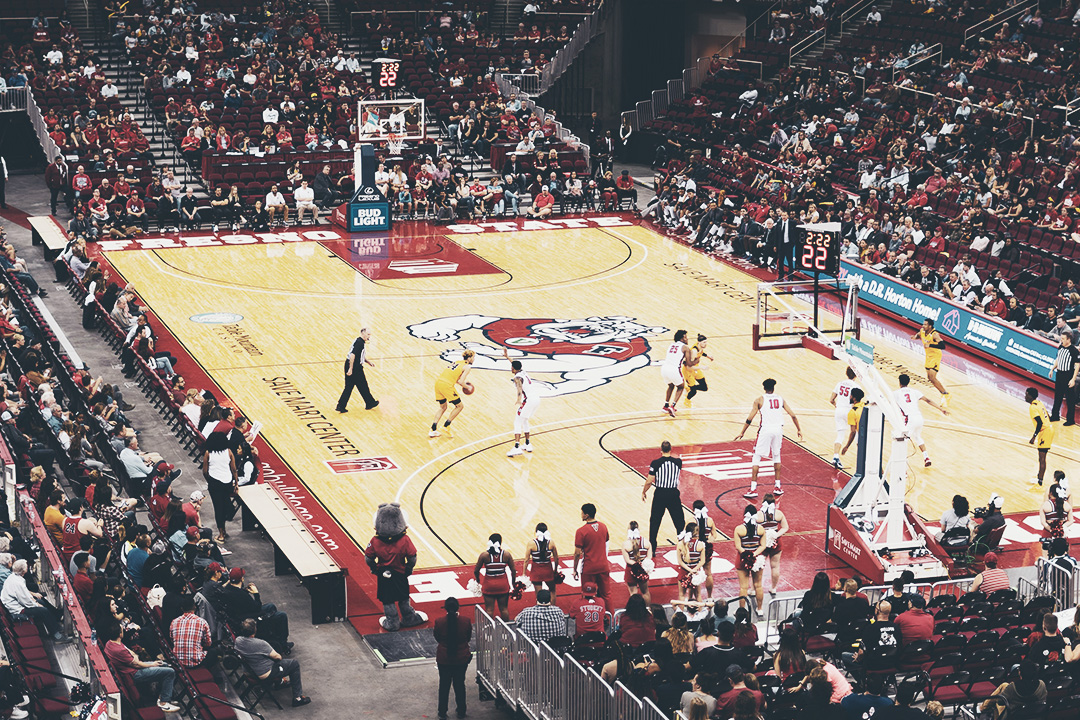
تبيع جامعة جنوب كاليفورنيا (USC) «سيوف البيرة» في ملعب لوس أنجلوس ميموريال كوليسيوم خلال موسم كرة القدم الخريفية هذا العام. أنا أؤيد تمامًا فكرة ملء أي قطعة رمزية بالبيرة؛ فهي تُشكل تذكارات رائعة في عصر التذاكر الرقمية، حيث لا تغادر المباراة ومعك سوى القليل من التذكارات — إن وجدت أصلاً — التي تثبت حضورك للحدث.
ما رأيك في:
- برج نفط من البيرة في ملعب «ريلاينت»؟ تنفث البيرة من قمته، تمامًا مثل النفط.
- قوس «سانت لويس» من البيرة؟ قد تكون آلية الشرب صعبة بعض الشيء.
- تمثال «الحرية» من البيرة في نيويورك؟ يخرج المشروب الكحولي من شعلة «سيدة الحرية».
- أو نسخة من البيرة لأي من جوائز المنافسة الغريبة/المضحكة في كرة القدم الجامعية هذه …
يمكن التواصل مع بريت ماكورميك عبر البريد الإلكتروني bmccormick@sportsbusinessjournal.com.