


The World Cup and New Consumer Engagement Economics
By Jim Caruso
My friend was at the USA vs. Türkiye FIFA World Cup match at SoFi Stadium in Los Angeles in June 2026. It drew a sold-out crowd of 70,492 fans.
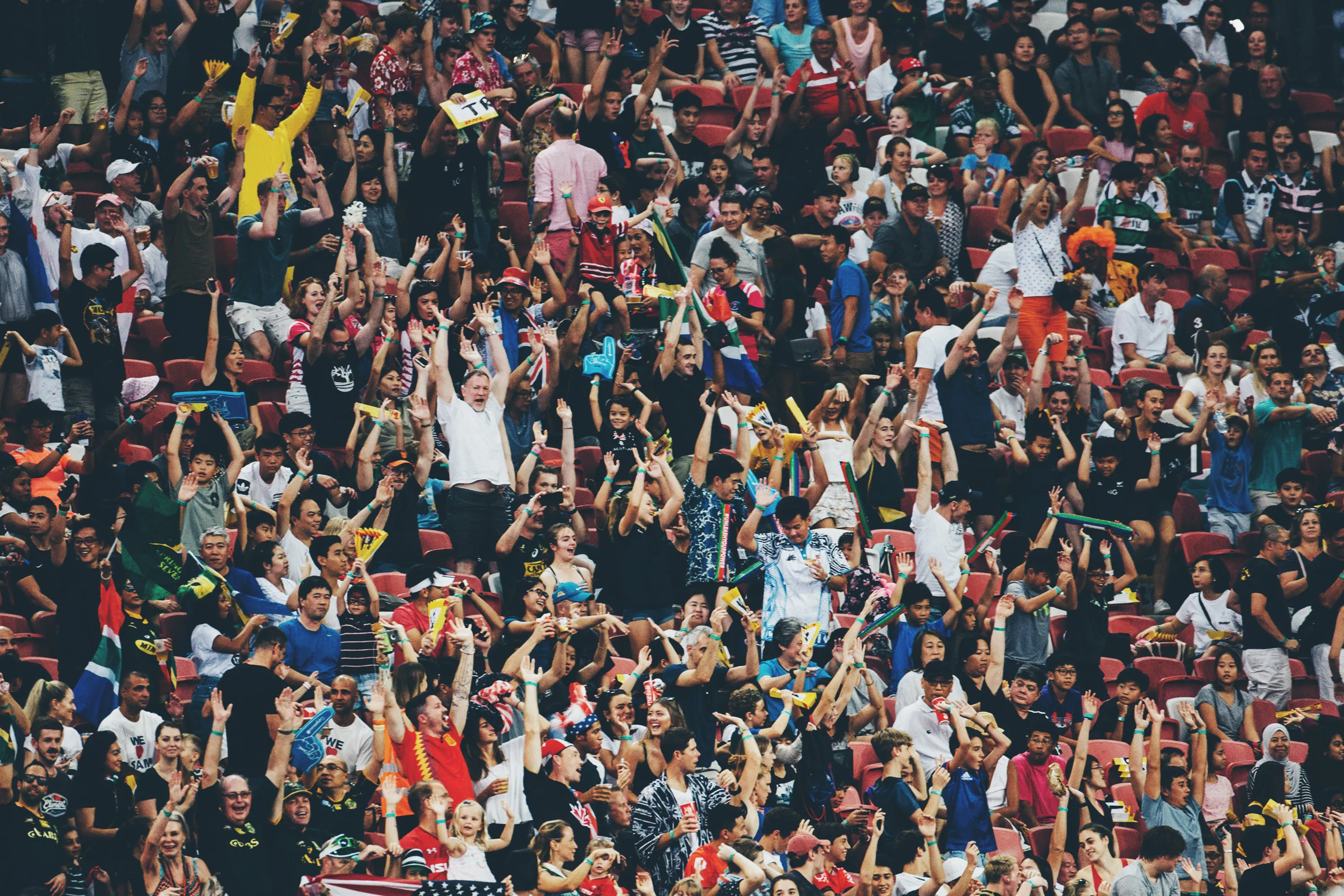
Attendees stood shoulder to shoulder, clad in patriotic gear, clapping mostly offbeat and eating custom kebab burgers, a temporary culinary ode to the visiting team.
In the fan zone, brands like Bank of America and Doritos were present amongst other local food trucks. And despite Team USA losing in the last minute, the celebrations during and around the event were perfect by traditional measure.
The big question on my mind: What happens to these brands once the games are over?
A significant portion of attendees may have had no meaningful interaction with those brands before the match, other than pulling them off the shelves at a convenience store, or being ushered in as their banking partner.
Would the long-term relationship match the fans’ FIFA experience? The fan economy has changed. Are the participating brands capturing this fandom to the fullest, or still playing by the old rules?
When you track the wrong metric
Brands face the central problem of a gap between short-term moments and long-term relationships, and most haven’t fully unpacked it. When you look at a brand or event through the per-transaction, per-event, or per-campaign-cycle lens, you’re capturing a moment, not the lifetime of a customer.
Your brand’s biggest fan is almost always more about the depth of the relationship than about product or service quality. The fandom’s long-term selling point focuses on belonging. A fan who feels genuinely connected to a team or brand spends more on tickets, buys the premium apparel, travels to support, signs up for the streaming package, brings their kids, and converts others to their fandom.
Understanding this requires a structural mindset shift from “how do we fill this event” to “how do we grow this person’s relationship with us over the next couple of decades.”
Where fan relationships are won or lost
Most organizations haven’t figured out how to deliver the most value to fans outside of game day or once the tournament ends. The relationship between a brand and the next World Cup should not be allowed to run cold, only to resume in four years when the next cycle begins.
Some sponsors have started closing that gap. The Frito-Lay food group (which includes Doritos) solidified its commitment to global football fandom by signing on as an official sponsor of the FIFA World Cup 26 and the upcoming FIFA Women’s World Cup 2027 in Brazil.
The Lays team has been laser-focused on building community channels it will continue to own after the tournament’s final match. Its celebrity WhatsApp group (featuring soccer legends Lionel Messi, David Beckham, and Thierry Henry) lets fans share messages. The gap between touchpoints shrinks because that community won’t disappear after the final match.
Formula 1 shows what happens when a brand takes this to the next level. F1 grew its fanbase through a storytelling operation. The documentary-style Netflix series Drive to Survive takes viewers behind the scenes, turning casual viewers into devoted followers between seasons. That series’ audience showed up to races, bought merchandise, and traveled internationally to watch in person.
Formula 1’s content became the relationship, and the race was the payoff. This is the pattern competing brands should study. Make someone accountable for the fan base and prioritize community, content, and engagement year-round.
Where AI fits in
Always-on engagement used to be expensive and impractical. Now, thanks to AI, brands can meet consumer needs with personalized experiences in real time rather than on a seasonal or annual basis.
This summer, Nike began offering AI-powered shopping in the Gemini app and AI Mode in Google Search. Athletes can go from match-day inspiration to checkout in one place.
It follows a spring 2026 announcement by Sephora, which launched its app inside ChatGPT. With this addition, shoppers can opt into curated recommendations and use loyalty rewards without leaving the conversation. A future update will allow shoppers to check out directly in-app.
In both cases, the brand maintains the customer relationship through a better experience, even as the storefront shifts to chat. For brands, treating lifetime value as a working strategy is now achievable. Those who understood this early and restructured their operations around it will pull ahead.
Reframe for the future
Back to the sold-out SoFi Stadium moment at the World Cup. An outdated review of the event would say the activation was the win, when 70,492 fans attended your brand pop-up experience or received free collateral upon stadium entry.
From my POV, the activation or match moment was just the introduction. The win is what happens next, over time.
Is your brand creating genuine relationships with the fans who will be your biggest brand advocates? Are you building community? And once you have that community, how are you leveraging AI tools to improve their experience?
Don’t leave with just reach or impressions when you sponsor an event. Leave with people, create community, and treat engagement as the product itself for more than just the match moment.
Jim Caruso is the chief innovation officer at Elevate.