

AI Is Bringing Broadcasters Back From the Dead and Creating New Ones
By Jim Caruso
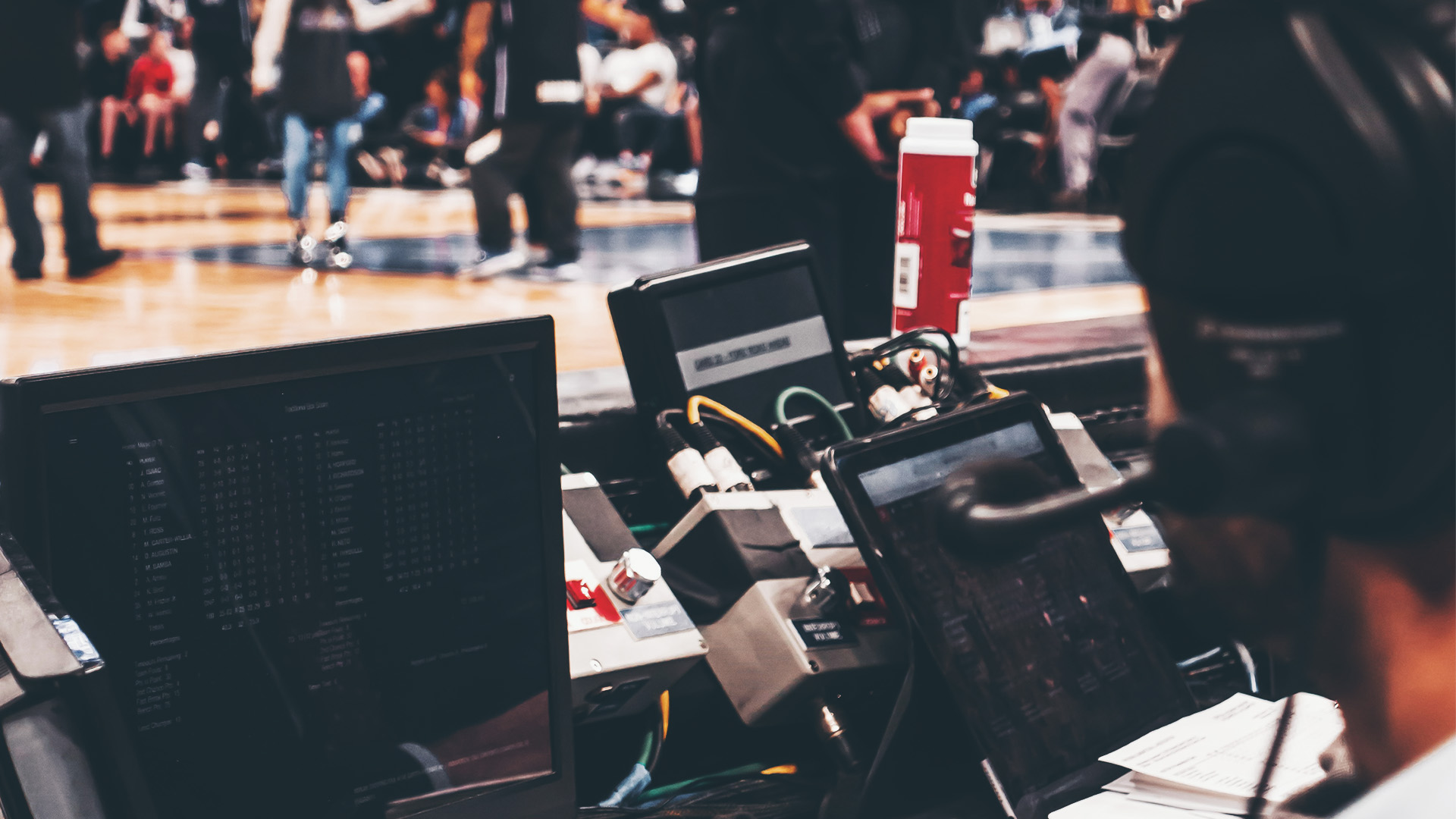
Sportscasting is the latest to embrace AI, and not without controversy. Over the past year, ESPN has used AI-generated voices modeled on its own anchors in a personalized SportsCenter for You show. NBC has taken this a step further by bringing back late narrator Jim Fagan's voice for its NBA coverage, with his family’s permission. The NBA also built a YouTube show around AI-assisted cartoon characters for young fans: Alley, Oop, and Buzzer. If you’re asking yourself if this replaces humans, the answer is no.
NBA senior VP for digital and social content Bob Carney says, “Humans still build the show, but the generative AI engine is now doing all this heavy lifting at every step... what would normally have taken weeks or months can now be done in a day or two.”
Still, fans have mixed feelings. In a June IBM survey of 20,000 fans, AI use jumped from 52% to 69% in a year, while trust in AI-generated sports content slipped from 63% to 59%. Some sports properties are already rethinking how much AI their fans should see. NASCAR, for example, used AI commentary for its Spanish-language broadcast in Mexico City last year and now says it would do it differently.
Fans don’t want to feel like an algorithm has replaced the people and personalities they love. Before sports properties jump into personalization, they need to understand their core fan base. Otherwise, they're just delivering the wrong content faster.
Inside EPIC
Racing America, formerly Parella Motorsports Holdings (PMH), runs racing events across the country, including the Trans Am Series and F4 United States Championship. They came to Elevate to develop a long-term sponsorship revenue strategy across their event portfolio and to build a stronger national brand.
We started with their audience. Using EPIC and roughly 350,000 unique customer IDs, the Elevate team identified key fan behaviors and attributes that made their events most appealing to sponsors. Our insights shaped everything that followed, from organization structure and revenue toolkits to a sales wireframe.
The results for 2026 so far:
Sponsorship revenue already locked in is up 72%
17 of 19 partners renewed
4 new partners have signed
The team reports closing 50% of the deals it pursues
My takeaway from this one: start with the data you already have. It can tell you a lot about who your fans are and where they spend. Look for patterns like which categories your fans buy in or how often they come back, and bring those into your conversations. When partners can see exactly who they're reaching, they stay.