

Translating Global Brands for Asia
One of the most significant changes we've witnessed in Asian hospitality design over the past forty years is the shift in how global brands engage with place.
When many international hotel operators first expanded across Asia, there was often an expectation that brand standards would take precedence over local context. Luxury was largely defined through an international lens, and hotels frequently shared a similar language regardless of whether they were in Tokyo, Jakarta or Kuala Lumpur.
Today, the opposite is increasingly true.
Guests are well travelled, culturally curious and far less interested in experiences that could exist anywhere. They want hotels that feel connected to the destination they're visiting, not isolated from it. At the same time, operators have become more comfortable allowing local culture to shape and enrich their brands rather than simply sitting alongside them.
For designers, this creates an interesting challenge.
Every project begins with two identities. There is the identity of the brand, built over years and often decades. Then there is the identity of the destination, shaped by its history, culture, climate and way of life. The success of a project depends on understanding both well enough to find where they naturally intersect.
In our experience, that intersection is rarely found through decorative gestures alone. Local artwork, materials and references can all play an important role, but they are not what ultimately gives a hotel a sense of place.
The deeper influence often comes from how people live, socialise, travel and experience space.

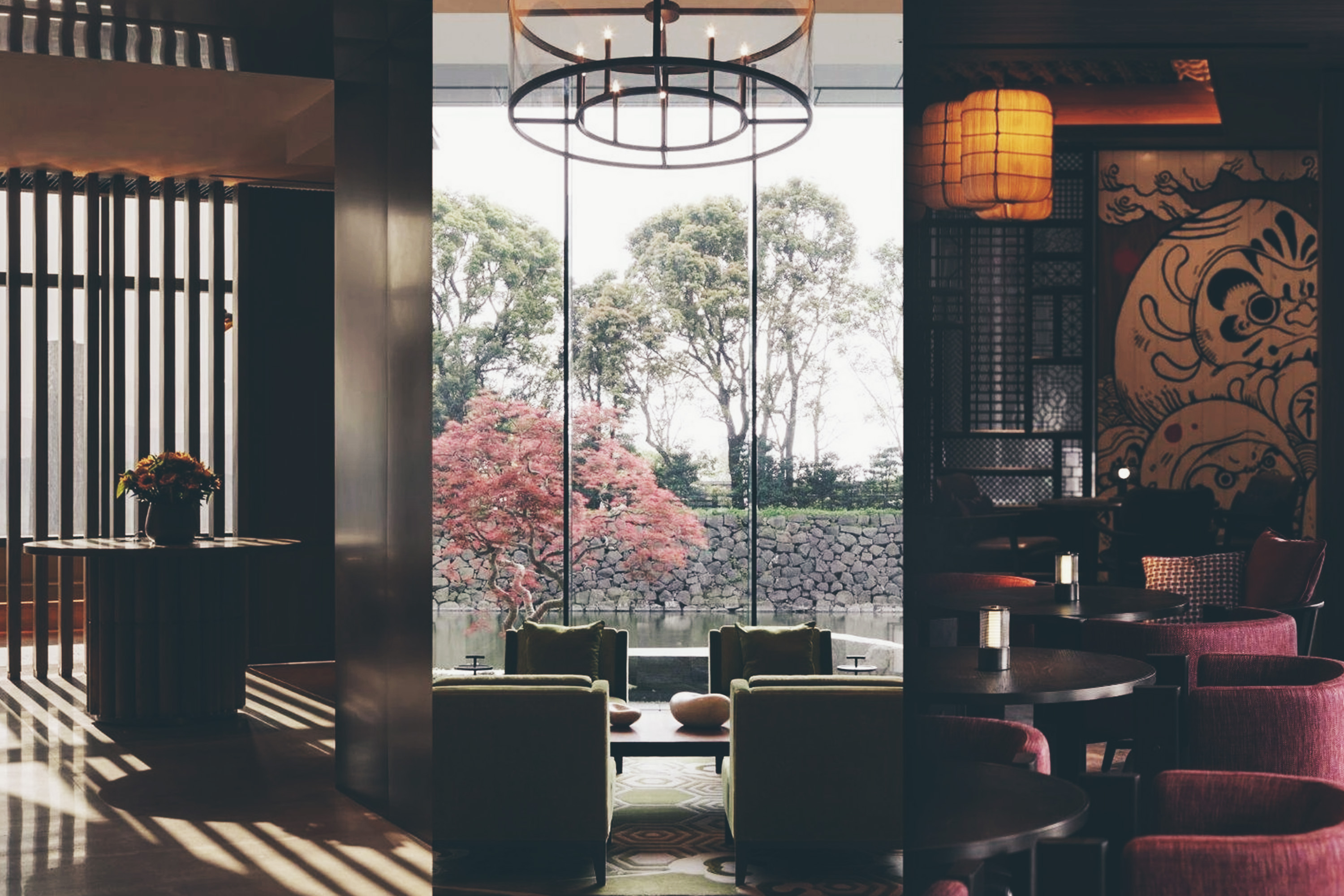
At Park Hyatt Kuala Lumpur, inspiration was drawn from the spatial principles of the traditional Malay kampung house, influencing how guests move through and experience the hotel rather than simply informing its aesthetic character. At Palace Hotel Tokyo, the proximity to the Imperial Palace Gardens informed a more restrained and contemplative design language rooted in proportion, light and materiality. Meanwhile, at ENSO within Hyatt Regency Midtown KL, our long history of working across Asia allowed us to craft a deeply layered, authentic Japanese dining experience; drawing on the rituals of rice cultivation and rustic, tactile materiality to create a space that feels grounded, warm, and seamlessly integrated into the Hyatt Regency brand.
Visually, these projects could not be more different.
What links them is a belief that context should shape the design from the outset rather than be applied at the end. The strongest hospitality projects are those that feel impossible to separate from their location. Remove them from that setting and much of what makes them compelling disappears.
This extends well beyond architecture and interiors.
Across Asia, expectations around privacy, social interaction, dining, wellness and shared spaces can vary enormously. Details that might seem minor on a brand planning diagram can have a significant impact on how guests experience a hotel and how successfully a property performs in its market.
These nuances are only becoming more important.
As local markets mature and travellers become increasingly sophisticated, hotels are being judged not simply on how effectively they deliver a global brand standard, but on how convincingly they express a sense of place. Guests can recognise when a local narrative is genuine and when it feels manufactured.
The most successful projects avoid clichés. Instead, they uncover the characteristics that make a destination distinctive and build an experience around them.
Understanding a culture comes from long-term relationships, local partnerships and years of working within a region. Many of the lessons that shape successful projects are learned gradually through repeated experience, often across multiple generations of hospitality development.
Having worked throughout Asia for more than four decades, we have seen trends come and go, guest expectations evolve and definitions of luxury continually change. Yet one principle has remained remarkably consistent.
The hotels with the greatest longevity are rarely those that chase trends. They are the ones that feel rooted in their location while remaining true to the values of the brand behind them.
Ultimately, successful brand translation is not about finding a compromise between global standards and local character. It is about recognising that the strongest brands become even stronger when they draw genuine meaning from the places in which they operate.
When that happens, the result is not simply a branded hotel in a particular city. It is a hotel that could belong nowhere else.